


I. Introduction: When T-shirts Rule the World
These days, even investment bank analysts wear hoodies to meetings. The wall between business attire and weekend wear has long since crumbled. So some people confidently declare: Formal wear? That’s something from a museum.
Don’t jump to conclusions.
Weddings are still happening, job interviews are still going on, and some dinner invitations still clearly state “Black Tie.” These occasions don’t come often, but when they do, it’s for real—T-shirts and sneakers? No way.
The word “Formal” is fundamentally a “formula.” A formula can be fine-tuned, but its framework cannot be dismantled. Dressing appropriately is, ultimately, a sign of respect for the occasion, respect for others, and respect for oneself.
The following are formal wear rules that every man should have etched into his mind in 2026.
II. Rule One: A Good Fit is the Bottom Line, Not a Bonus
Buying a ready-made suit according to standard sizes is the same logic as buying a hoodie. But a loose-fitting hoodie is stylish, while a loose-fitting suit is a disaster.
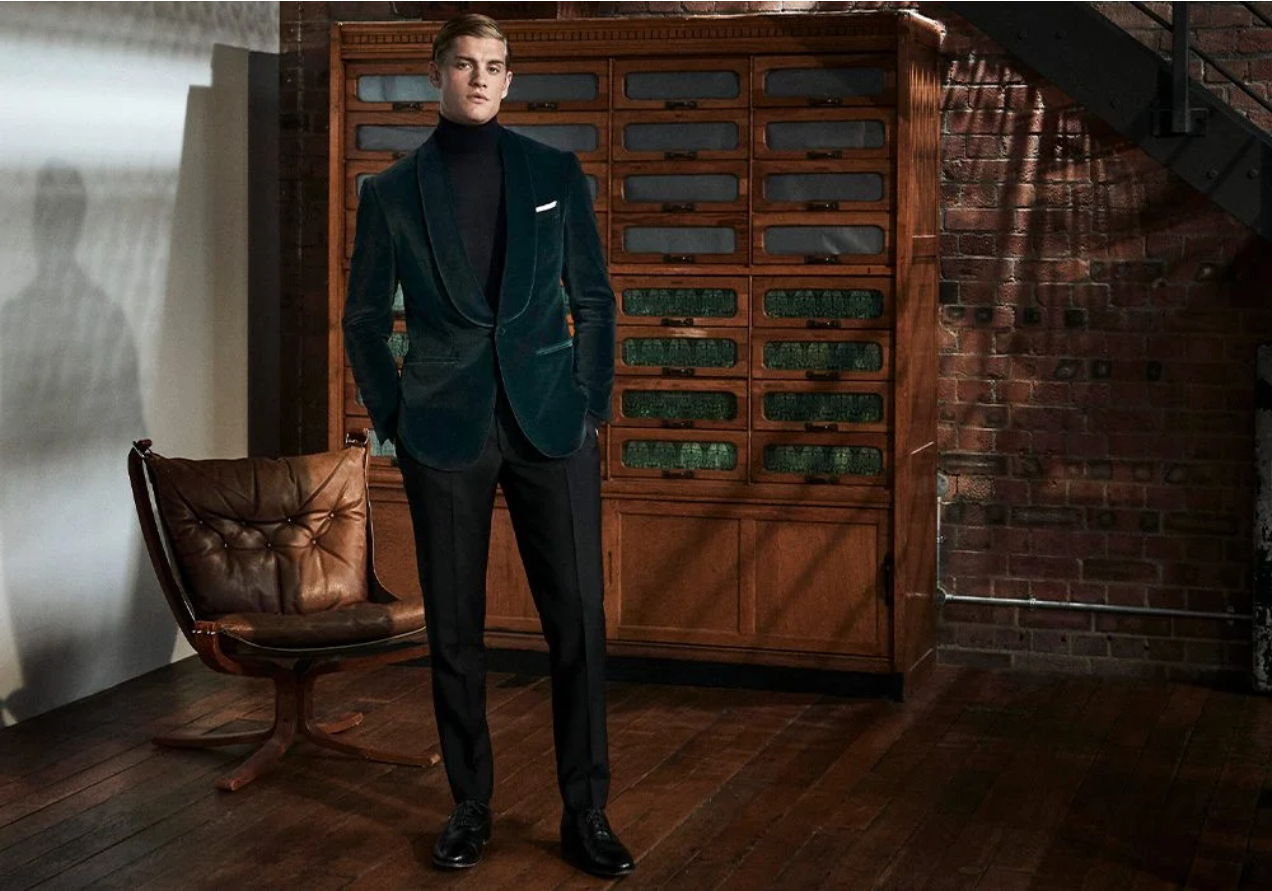
If your budget allows, go for custom or semi-custom. Can’t afford that? At least get it altered. Sleeve length, trouser length, and even chest measurement can be adjusted. The only thing that matters is the shoulder line—that’s the Achilles’ heel of a suit; it can’t be altered, nor can it be hidden. When choosing a suit, first look in the mirror at your shoulders; other areas can be salvaged, but not here.
III. Rule Two: Don’t Challenge the Rules
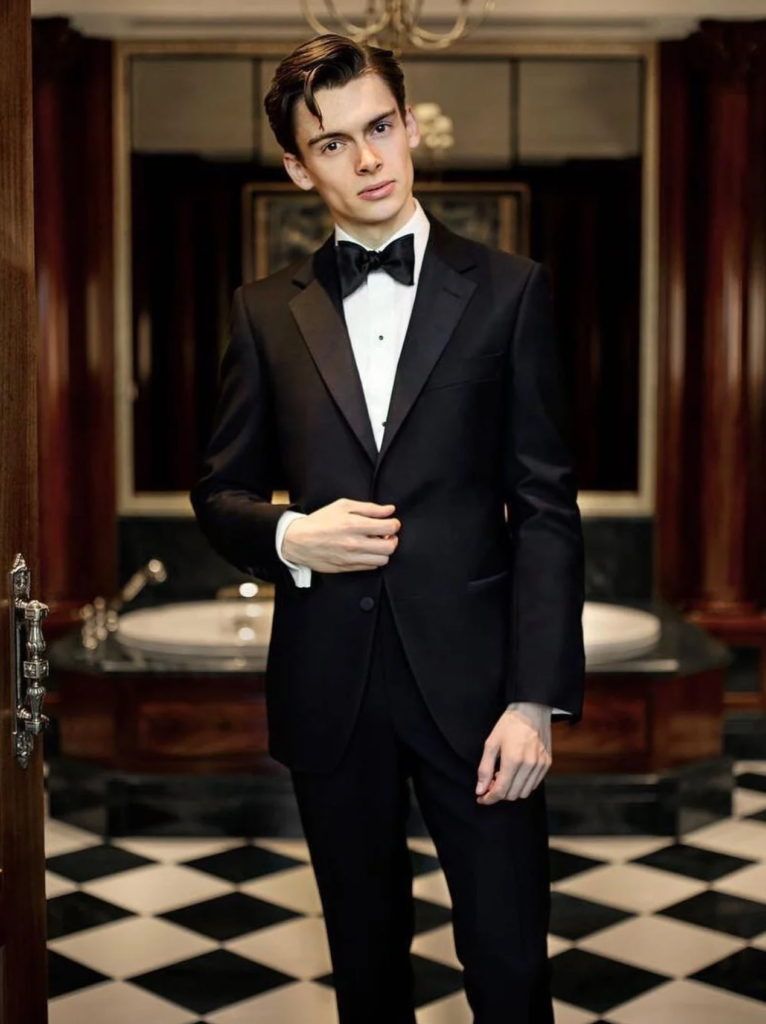
Some occasions require more than just “formal”; they require “a specific form of formality.” A white bow tie or morning suit? Most people will never encounter that in their lifetime. But a Black Tie dinner? That’s quite common.
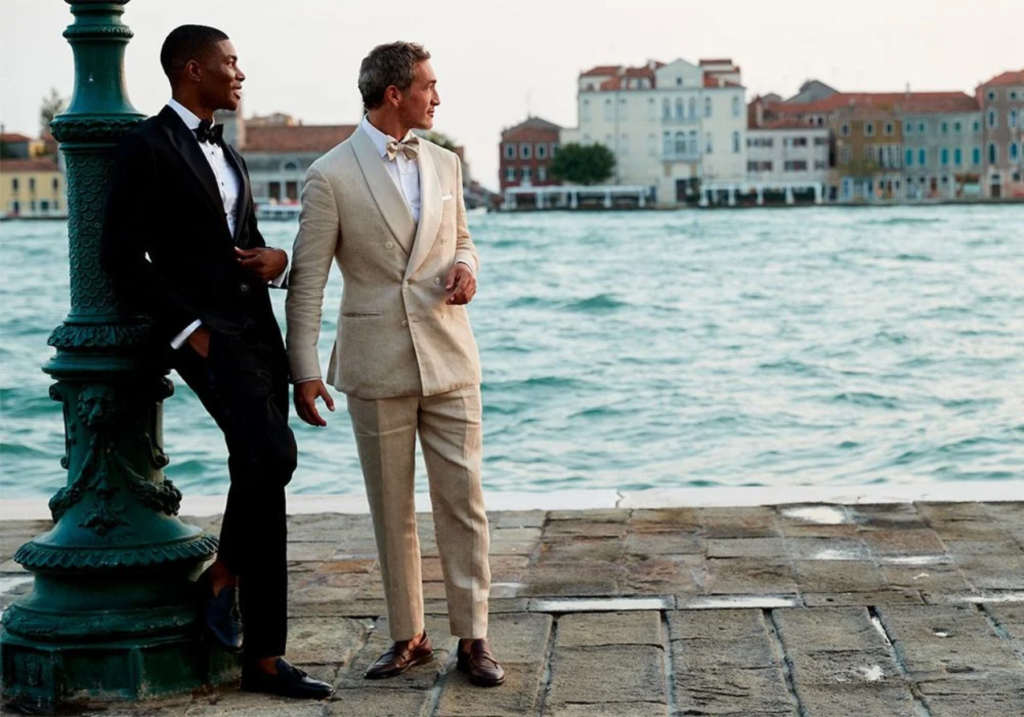
If the invitation says Black Tie, then wear: a black or midnight blue tuxedo, bow tie, white dress shirt, and black dress shoes. This isn’t a stage for expressing your individuality; it’s a testing ground for proving “I know the rules.”
IV. Rule Three: Reject Fancy Touches
The core of formal wear is the “template.” Society has spent decades refining this template, requiring you to temporarily suppress your individuality and first fit into it.
Details are fine, of course: cufflinks, tie clips, pocket squares—these are where you can subtly sign yourself. But absolutely avoid frills. A cartoon tie might make you “stand out,” but it’s doing the opposite.
V. Rule Four: Avoid Black If You Can

Black used to be synonymous with formal wear. From the late Regency era onward, gentlemen wore black suits exclusively. That’s a thing of the past.
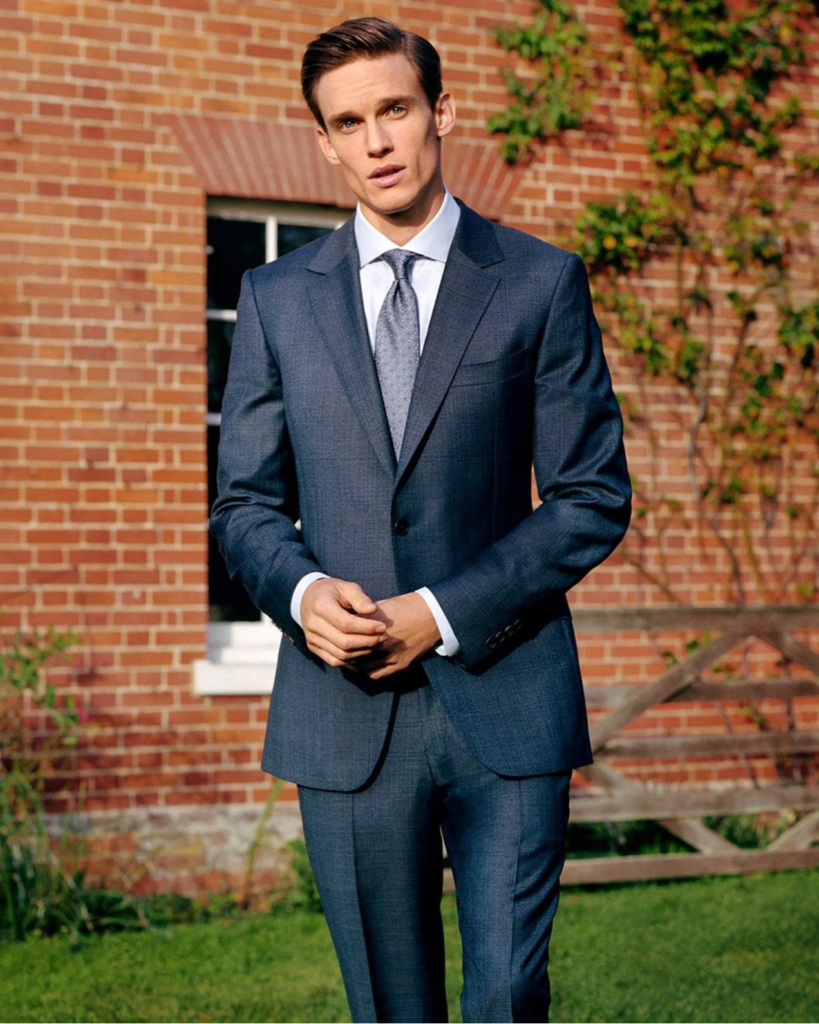
Now, black is reserved for evening wear. Wearing black for everyday formal wear? Sorry, hotel doormen and nightclub security guards have already taken it all. Proper choices are medium gray, charcoal gray, and navy blue—classic, respectable, and unique.
VI. Rule Five: Dress for the Occasion
“Dress for the occasion” sounds like a cliché, but how many people stumble on this rule? Wear a morning suit to an afternoon wedding, light linen to a summer garden party, and navy wool to a business meeting—every occasion has its “right answer.”
Spending five minutes thinking about where you’re going, who you’re meeting, and what you’re doing is far more worthwhile than spending five hundred pounds on the wrong clothes.
VII. Formal Attire is a Language
Wearing formal attire isn’t about being retro or pretentious; it’s about mastering a social language. Casual dressing gives us the permission to be lazy every day, but at certain moments, only formal attire can speak for you.