



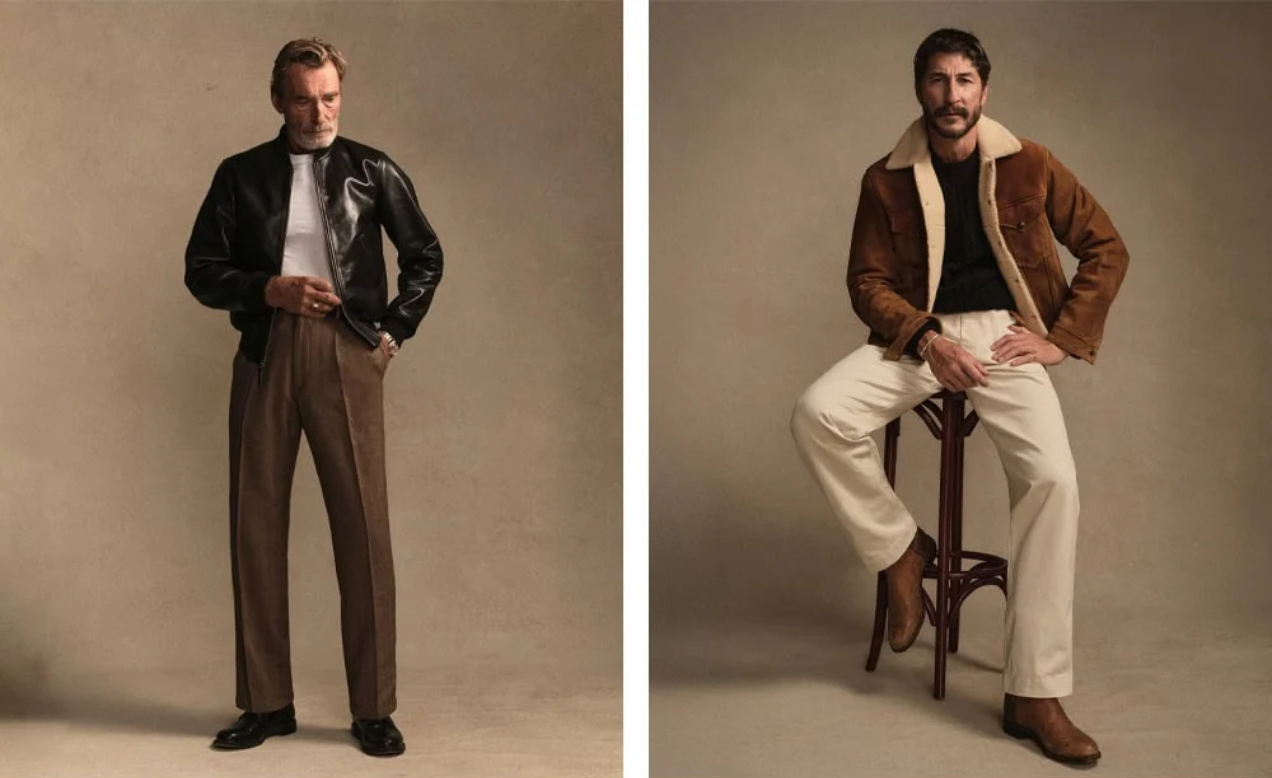
The Man Who Wears the Same Outfit Every morning, standing in front of your closet, you realize the situation has deteriorated to a critical point—that gray hoodie and those faded jeans, like an old married couple, are suffocatingly familiar with each other. You don’t even need to look; you can reach out and touch them. The trivialities of work and family are like a never-ending washing machine, shredding your precious “personal time.” So you tell yourself: That’s it, nobody notices anyway.
But someone does notice. You do.
The following 13 tips aren’t meant to turn you into a runway model, but to help you climb out of that suffocating dressing habit. The process won’t be quick, but every step is solid.
Step 1: Wardrobe Cleaning—Be Ruthless
Deal with the existing stock before adding anything new. If your current clothes no longer serve you, get rid of them.
Don’t be soft-hearted. Get rid of everything you haven’t touched in the past year. Sell it on eBay, Depop, or other secondhand platforms—get some cash and free up some space. Still reluctant? Try a small experiment: hang all your clothes in the same direction, then turn them around when you hang them back. A few months later, those hangers that never turned will vote for you.
Step 2: Simplify, Then Capsule Intake
A capsule wardrobe isn’t a new concept, but it requires some discipline to implement. The core logic: each piece of clothing should be able to be paired with at least three other items.
A multi-purpose suit, a few solid-color T-shirts, one or two Oxford shirts, and a versatile coat—these form the framework. The benefits are obvious: fewer clutter in your wardrobe, less decision-making fatigue in the morning. You don’t even need to think; just grab something and start matching.
Step 3: Find Your Style Anchor
Don’t rush to swipe your card. First, take twenty minutes to do something many people never do: figure out what you actually like.
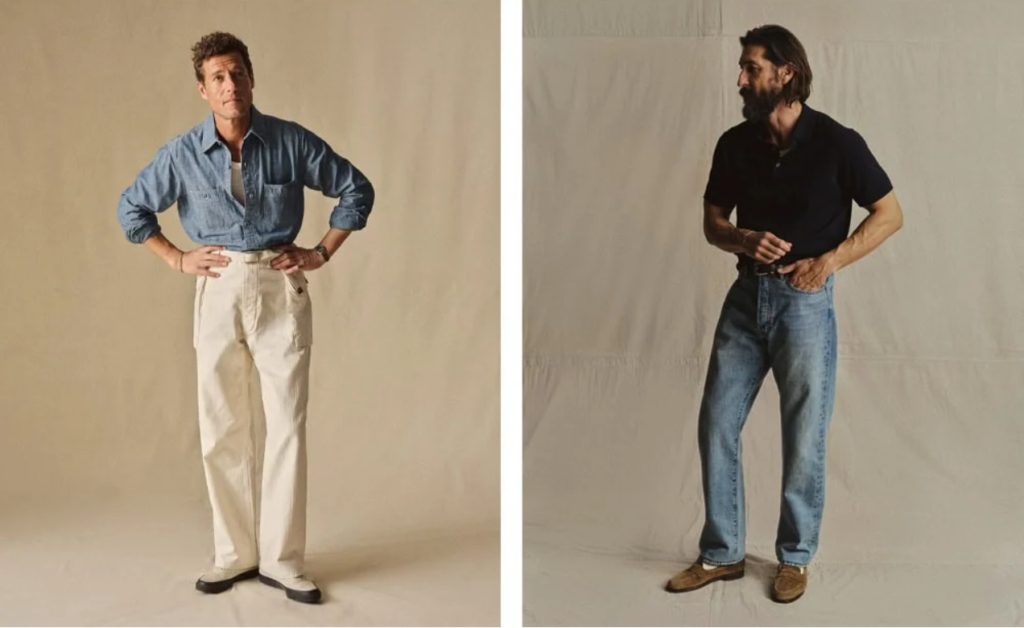
Not the vague statement like “I like minimalism.” Open Instagram, Pinterest, and brand lookbooks, and save twenty to thirty outfits you would actually wear. Then look for overlaps: Is it loose pants with a boxy jacket? Or a fitted coat with a knitted polo shirt? Predominantly neutral colors, with the occasional bright color?
These recurring themes are your style blueprint. Next time you go shopping, ask yourself: Does this fit my blueprint? No? Put it down. This is the fastest way to avoid “buying things you like but never wearing.”
Step 4: Dress According to Body Type
The biggest self-sabotage for men is ignoring fit. And the root cause of ignoring fit is often a lack of understanding of your own body type.
Slender build: Avoid overly loose or oversized cuts, otherwise you’ll look like you’re hanging on a hanger. For those with a bulky build: Skinny fit is the enemy; it will make you look like a bound sausage. For tall people: Avoid overly cropped styles; your limbs are long enough, no extra emphasis is needed.
Step 5: Colors Should Speak to Your Skin Tone
Here’s a trick many don’t realize its power: choose colors that “speak” to your skin tone, not colors that “clash.”
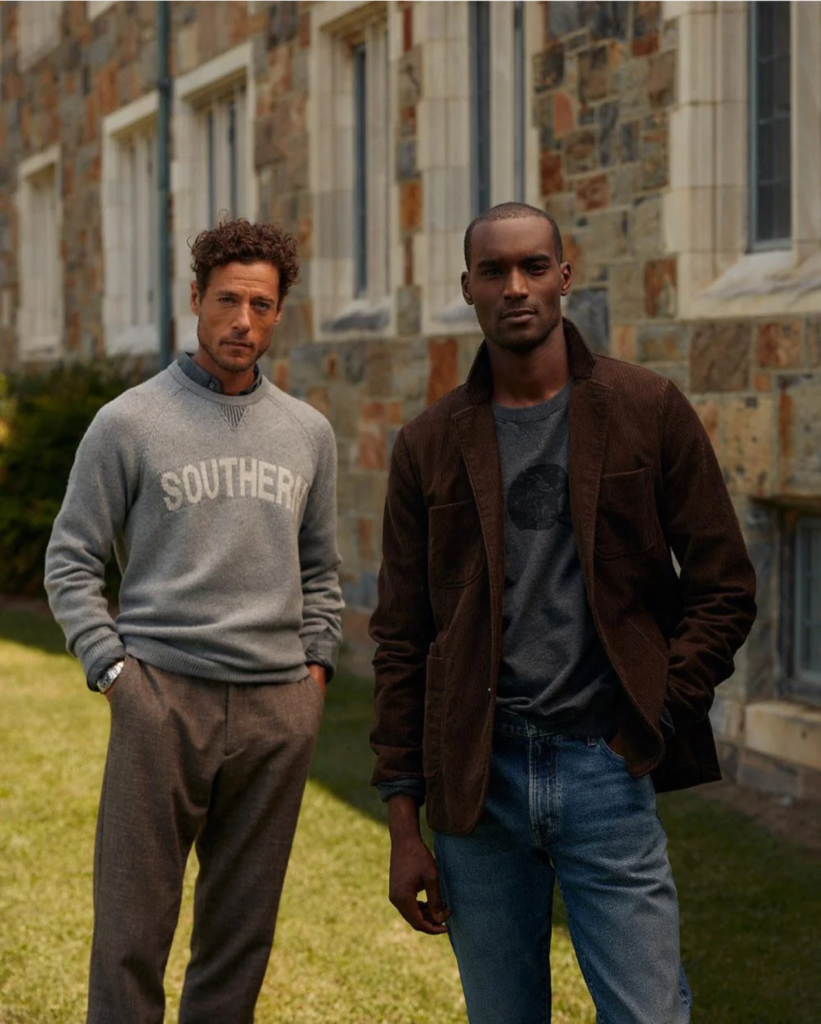
If you have light skin, light pastels might make you look ashen, like an overexposed photo. If you have dark skin, certain earth tones might swallow you up, making your features disappear. Play with contrast—dark skin with light or cool colors, light skin with moderately saturated mid-tones. This isn’t magic; it’s optics.
Step 6: Classic Base, Trendy Finishing Touches
Following the season’s trends from head to toe is the best way to ensure your style becomes outdated quickly.
Start with timeless classics as your foundation: a navy blue suit, a white Oxford shirt, khaki trousers, and brown loafers. Then, add a trendy piece or two occasionally—a seasonal coat, a scarf in a striking color. This way, you won’t look outdated, nor will you become a fashion casualty.
Step 7: Invest in a Good Pair of Shoes
People look down at their shoes more often than you think. A pair of well-polished leather shoes can instantly elevate an ordinary outfit.
Brown or black loafers, derbies, Chelsea boots—choose a well-made pair and polish them regularly. Don’t wait until the soles are worn out to remember they exist. Use shoe trees, apply shoe polish—this ten-minute investment will reward you with a pair of shoes that last five years.
Step 8: Find a Reputable Hairdresser
Hair is the frame of the face. If the frame is crooked, even the best artwork inside will be diminished. Don’t get this done at a chain quick-cut salon. Find a hairdresser who understands you, go regularly, and build trust. Tell them about your lifestyle, your face shape, and how much time you’re willing to spend on your hair. A good hairstyle can change someone’s first impression of you more than any new outfit.
Step 9: Don’t Overdo Accessories
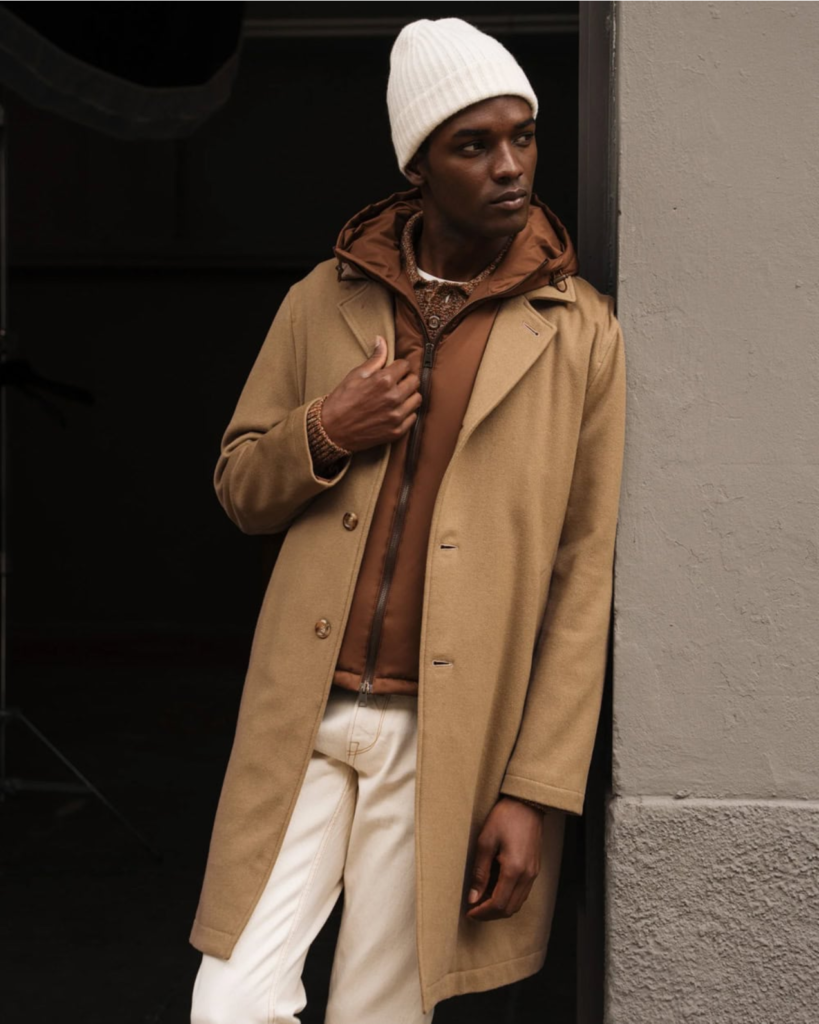
Watches, belts, sunglasses, pocket squares—these are for adding a finishing touch, not for showing off.
One rule: Look in the mirror before leaving the house. If an accessory immediately stands out, take it off. Good accessories are noticed on the third glance, not because people are blinded by your big gold watch before they even see your face.
Step 10: Learn to Roll Up Your Sleeves
It sounds ridiculous, but rolling up your sleeves is an art. Rolled up too neatly, you look like a pharmacist; rolled up too casually, you look like you just moved.
Correct approach: Unbutton the cuffs, fold the cuffs up to below the elbow, then pull the folded-up portion down slightly to create a natural crease. Exposing a section of forearm looks neat and suggests “I’m ready to work.”
Step 11: Focus on Fabric Texture
The difference between a 20-pound and an 80-pound T-shirt of the same color lies in the fabric. The former will deform after three washes, while the latter becomes softer with each wash.
Learn to feel: Heavyweight cotton has a substantial feel, cashmere is light but warm, and linen is rough but breathable. Others may not be able to articulate these tactile differences, but you can feel them. Texture is a silent form of communication.
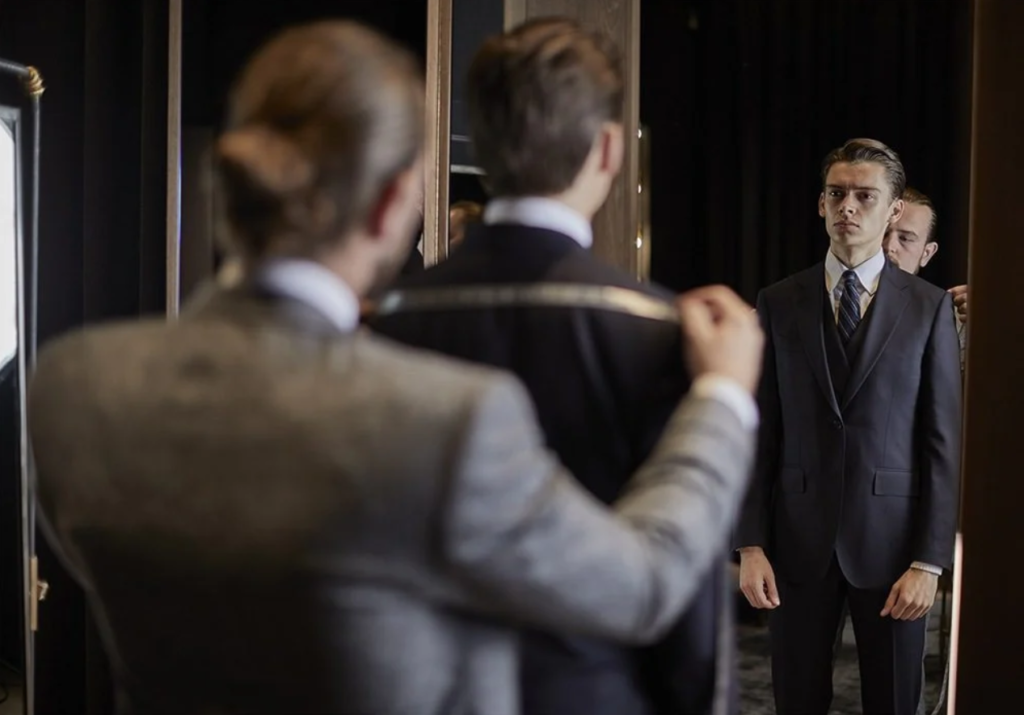
Step 12: Establish a “Uniform” Day
Choose one day each week to wear the same “uniform”—for example, a navy blue suit, a white T-shirt, and brown loafers. This isn’t about laziness, but about testing the durability of this outfit. If you feel comfortable wearing it all day, it’s a core asset. If you feel uncomfortable, adjust until it becomes your second skin.
Step 13: Embrace Gradual Change
Don’t expect one big shopping spree to solve everything. Style grows gradually, it’s not something you buy all at once.
Make a small adjustment each month: change the fit of a pair of pants, try a new color combination, buy a slightly better alternative to your current items. Looking back a year later, you’ll find yourself in a completely different position.
Dressing is a Dialogue with Yourself
Ultimately, all these techniques point to the same goal: to allow you to stand in front of the mirror every morning without disliking yourself.
Style is not vanity, it’s self-care. When you take the time to look presentable, you’re telling yourself: I deserve to be treated seriously. And the world often responds to you according to your self-perception.